
February 2026 Property Market Update: Rates, CGT & Negative Gearing

The government is warming us up for some significant property policy changes this year. From May 2026, we may see changes to the capital gains tax discount for investment properties, along with limits on how many properties can be negatively geared. At the same time, inflation remains sticky, so economists are flagging another possible rate rise, bringing fixed rates back into focus. Policy changes that impact investors may slow demand and maybe prices, but they won’t solve the supply problem, which remains the core issue in our housing market. As a result, investors are likely to become more strategic and more deliberate with how they structure their ownership. Here’s what it all means and what you should be thinking about this month.
Prepare for More Rate Rises

Consumer spending remains strong. While AI is shaping the way certain industries are approaching their plans for the future (ours in finance and property included), businesses are still hiring people, and overall business confidence remains healthy.
That strength in the economy showed up again in the latest monthly CPI data from the Australian Bureau of Statistics (ABS). Inflation rose 3.8 per cent in the 12 months to January 2026, above expectations.
Dwelling costs are up.
Rents are up.
Eating out is up.
Clothing is up.
The January data suggests the economy is still running warmer than the RBA would like.
Most major bank economists expect the RBA to hold steady until May, when the March quarter data is available. The current trajectory points toward a possible rate rise at that meeting if inflation doesn’t ease.
Should I Fix My Rate?
When rates are rising, or even when there’s uncertainty around them, fixed rate loans come back into focus.
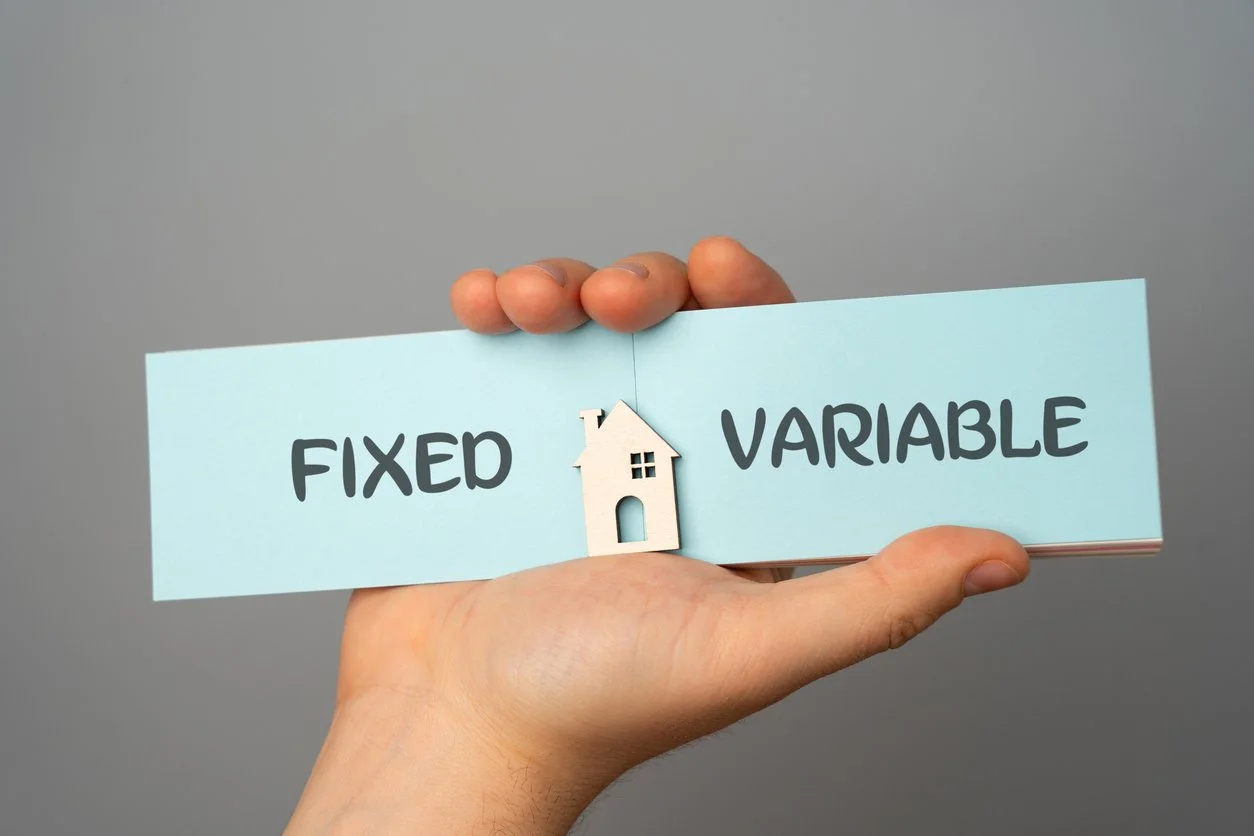
We’ve already seen the major banks increase their fixed offerings multiple times this year.
Fixing can provide certainty. But it isn’t suitable for everyone. It reduces flexibility and can limit your options if your circumstances change.
In last month’s update, we shared our Top 10 Mortgage Tips for 2026. This month, we’ve put together a practical guide explaining when fixing makes sense, what to consider, and how to compare your options.
Capital Gains Tax Changes
The Albanese Government has confirmed it is reviewing the 50 per cent capital gains tax discount that applies to assets held longer than 12 months.
One proposal being considered is reducing the discount to 33 per cent.
Early submissions suggested this may apply only to established properties, not new builds, in an attempt to avoid discouraging new housing supply.
If implemented, this would materially change long-term investor calculations around after-tax returns.

Current:
Purchase price: $500,000
Sale price: $1,000,000 (12 months later or more)
Gain: $500,000
Currently, the government allows us to discount this gain by 50 per cent, so we only pay the tax on $250,000.
If you earned $150,000 from your job for the year, we’d need to add $250,000, which means you pay tax on $400,000.
Under the New Proposal:
Purchase price: $500,000
Sale price: $1,000,000 (12 months later or more)
Gain: $500,000
The government would reduce the discount to only 33 per cent, so we would then pay tax on $335,000.
If you earned $150,000 for the year, we’d need to add $335,000, which means you pay tax on $485,000 - a lot more.
Note: this is a very simple calculation, there’s more to it and this calculation is of general nature only.
Negative Gearing Changes
Treasury is also modelling changes to negative gearing.

The proposal under discussion would limit investors to negatively gearing two properties.
Negative gearing allows rental property losses to offset taxable income, reducing overall tax payable. While previously ruled out, the government now appears to be revisiting this alongside the CGT review.
The Impacts of Negative Gearing Changes
More strategic ownership structures
Investors may shift towards trusts and company structures to optimise tax efficiency and manage exposure more carefully.Supply still not addressed
While limiting negative gearing may dampen investor demand, it does nothing to increase housing supply — the core driver of affordability pressures. The government previously acknowledged this in 2019.Serviceability impacts
Banks factor negative gearing benefits into borrowing assessments. Restricting deductibility to two properties would reduce borrowing capacity for portfolio investors.Potential pressure on established property values
If investor demand reduces, particularly for established dwellings, we could see price softening in segments traditionally driven by investors.Flow-on effects to the rental market
If fewer investors enter or expand in the market, rental supply may tighten further, which could place upward pressure on rents, particularly in already constrained areas.
Final Thoughts
Rates may rise again. Tax settings may tighten. Investor rules may change. None of these changes solves the structural supply shortage that underpins Australia’s housing market. For borrowers, these are merely potential changes at the moment, but it is important to be aware of them nonetheless.
The environment is becoming more complex, which means strategy matters more than ever. If you’re holding multiple properties, thinking about investing, or simply unsure whether to fix your rate, now is the time to get clarity around your position. If you’d like to talk through how this all can affect your plans for 2026, we’re here to help. For all our existing clients, we review loans every six months to keep things on track. If you’d like a fresh set of eyes on your loan now, reach out to John, Michael, or Peter, or one of our team members, and we will make sure you’re on the best terms possible.