
June 2026 Property Market Update: Not a crash. A dip. What June really means for you.

Key Takeaways
The RBA held the cash rate at 4.35 per cent in June, its first pause of 2026 after three rises. RBA Governor Michele Bullock showed patience, but she's still clearly worried about inflation.
"Higher for longer" is now the reality. Big banks tip one more cut in August, then a long hold until late 2027, but plenty of data lands first.
Confidence is low, clearance rates are soft, and prices may well drift over the next 12 months. We won't sugarcoat that.
This is not a crash. For that, you'd need unemployment to spike, supply to appear from nowhere, and our population to stall, none of which is happening.
Australia is short on homes and our population is close to 28 million. Less supply plus proposed tax changes point one way for rents: up.
The honest question worth sitting with: is this one of those dips you look back on in 10–15 years and wish you'd acted upon?
How This Feels
It's been a heavy stretch, and we're not going to pretend otherwise. "Higher for longer" has well and truly sunk in. Business and consumer confidence is low, and a lot of the optimism that gets people investing, taking a chance, backing themselves, has been drained. We know many of you are weighing big decisions right now and feeling unsure. We’re being asked the same questions on a daily basis. That's completely understandable, and you're not alone in it.
So this month, rather than throw numbers at you, we want to walk through the landscape calmly: what the RBA just did and why, what's happening with property and rents, and the bigger-picture question that we think actually matters for anyone with a longer horizon. Let's break it down.
The RBA Hit Pause, but Isn't Relaxed
After three rate rises to start the year, the RBA held the cash rate steady at 4.35 per cent in June. It's the first pause of 2026, and for households doing the monthly sums, it's a welcome breather.
But we'd be doing you a disservice to call this a turning point. Governor Michele Bullock still seems genuinely worried about inflation. She showed patience in not lifting again in June, yet she pointedly flagged that construction costs are trending upwards, which is one of the stubborn pressures keeping inflation sticky. The RBA has been here before and got burned by moving too slowly; they do not want to lose credibility by letting inflation get away again. It's a genuinely tough position to be in, and that caution is why "higher for longer" is the honest base case.
What's Next: One Eye on the Data
Westpac expects one more increase to the cash rate in August. They're not alone, NAB and AMP and a host of other lenders are all in broadly the same camp that we're at or close to the top of the cycle. These lenders believe it will be a long pause after the next increase.
But none of this is locked in. Two key data releases land this week which will impact this forecast:
Wednesday 24th — the CPI (inflation) figures
Thursday 25th — the Labour Force (unemployment) data
The RBA will receive plenty more data between now and its next decisions, and it will move on the evidence, not the mood. We'll be watching closely and will keep you posted.
Property: Prices to Soften and Why That's Not a Crash
Property prices are expected to ease over the next 12 months or so, as they already have. The product of higher rates, stretched affordability, proposed negative gearing and capital gains tax changes, weighing on investor demand, and that low confidence we mentioned. Clearance rates are soft. We've seen this movie before; in our two decades in the industry, there have been several cyclical downswings.
A downswing is not a collapse, and it's important to separate the two. For a genuine crash, you'd need a stack of things to happen at once: unemployment would have to skyrocket, new supply would have to magically appear, construction costs would have to fall, and our population growth would have to stall. None of that is on the cards. And there's a deeper truth underneath it all, the great Australian dream is still owning your home, and as a nation we tend to do whatever it takes to hold onto our homes. These factors put a powerful floor under this market.

The Supply Story Isn't Going Away
We just saw Australia's population edge close to 28 million, according to data released by the Australian Bureau of Statistics. Population growth has slowed year-on-year, but it's still high and we added around 412,000 people over the past year.
Now put that against what we're building. To meet annual housing demand, the Housing Accord says we need roughly 240,000 new homes a year. Right now we're managing only about 175,000. That's a persistent shortfall, and with our population continuing, it isn't getting better any time soon. Fewer homes than we need, more people who need them.
It’s a tricky situation for our government. If you slow down the population growth, you then slow down education coming into this country, skills coming in, and then potentially stall our productivity even more which makes things even worse. We’re not producing enough for the country as it is.

Why Rents Are Likely to Climb
Here's a knock-on effect. When the proposed negative gearing changes come in, existing investors will be reluctant to sell, because selling means giving up a negative gearing benefit they currently hold. At the same time, any new investor buying an established property will want to charge higher rent to cover the cash-flow shortfall that negative gearing used to soften.
Combine those two forces, and add an already very low rental vacancy rate, and rents are only likely to soar. For renters that's a hard reality; for anyone weighing whether to keep renting or buy, it's a real part of the maths. The government believes rents will only increase slightly, but we can’t understand that.
The Bigger Question: A Patch of Opportunity?
So here's the question we keep coming back to, and the one we'd gently put to you.
Right now, if you had some money to invest, where would it go, Australian property, Australian shares, or US stocks? Confidence is so low that money is wandering. (Telling sign of the times: SpaceX's recent float pulled in 28,000 CommSec subscribers, four times more than any other float they've ever run, money chasing a story offshore.)
But pull the lens back. Over the last 100 years, Australian property has grown around 3 per cent per annum. We're sitting a touch above that long-term trend right now, and if you believe in the long game, then a softer market isn't a warning sign, it can be a window.
Is this one of those downward swings you look back on in 10 or 15 years and think, I should have gotten in then? We can't answer that for you, it genuinely depends on what you believe and where you're at. But we'd rather you ask the question with clear eyes than miss it because the headlines felt heavy.

What This Means for You
A few simple, practical moves matter more than ever right now:
If you're buying: get your finance sorted and your pre-approval ready. Softer markets and low confidence reward prepared, patient buyers who can act when the right property appears. You don’t need to lunge at purchases - we’re seeing a lot of our clients with patience secure their purchases.
If you've got a loan: with rates likely at or near their peak, it's a smart time to review your structure, rate, buffers and whether a fixed or split arrangement fits. Don't pay more than you need to. We keep doing this for our clients every 6 months, but if you’d like it done again, please feel free to ask.
If you're an investor: the proposed tax changes and current climate make strategy and timing more important, not less. Let's model what they'd actually mean for you before you make a call. If you don’t act now, you won’t take on any risk and you’ll miss out on the opportunity to make money. If you act now, then yes, you take a risk, but even if your gains get taxed more heavily in the future, you’re still likely to make money out of property if you believe in the historical trends.
As always, the right strategy depends entirely on your personal position. That's exactly the conversation we love to have.
Us in the Community: Annandale North Public School
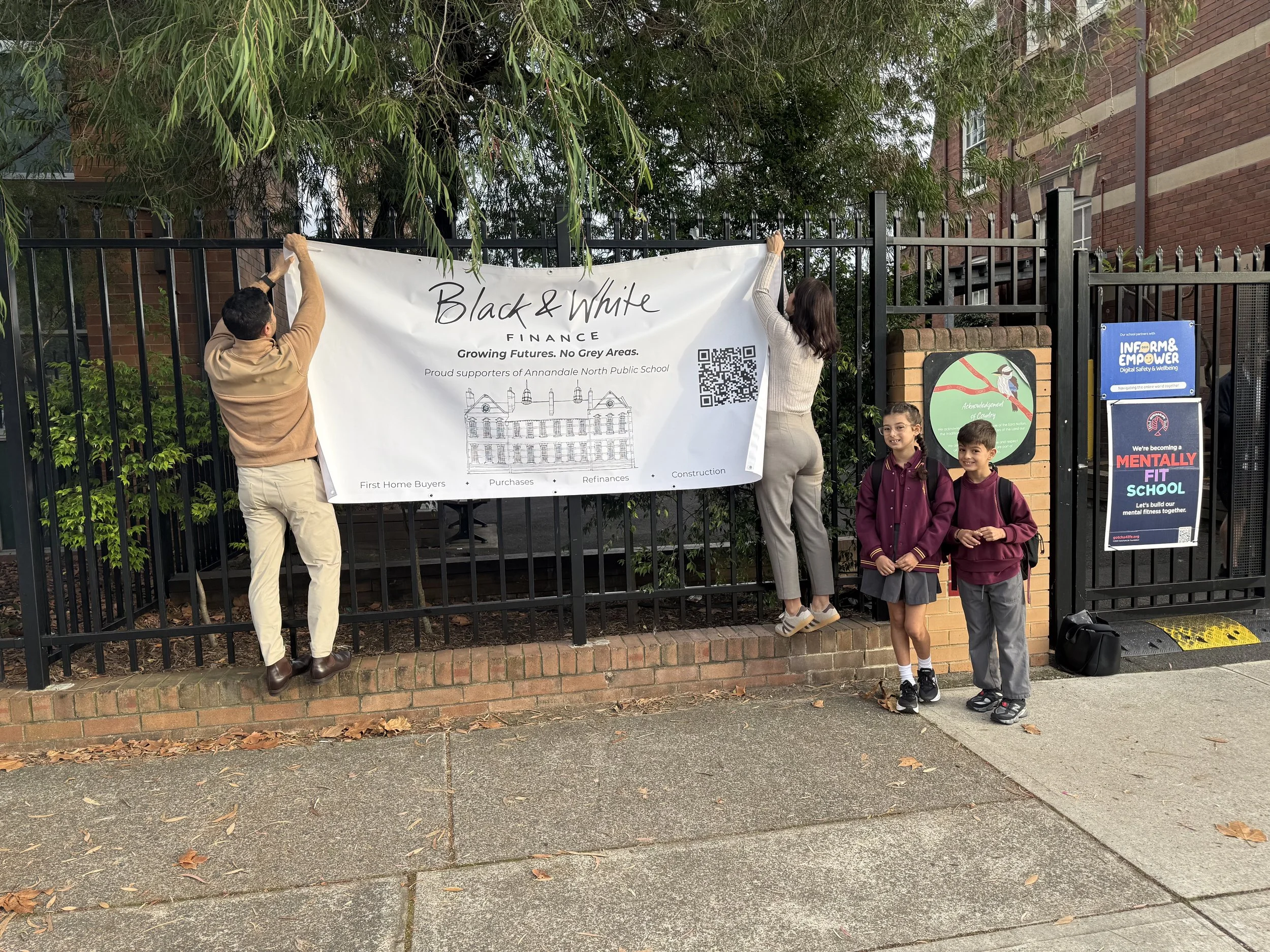
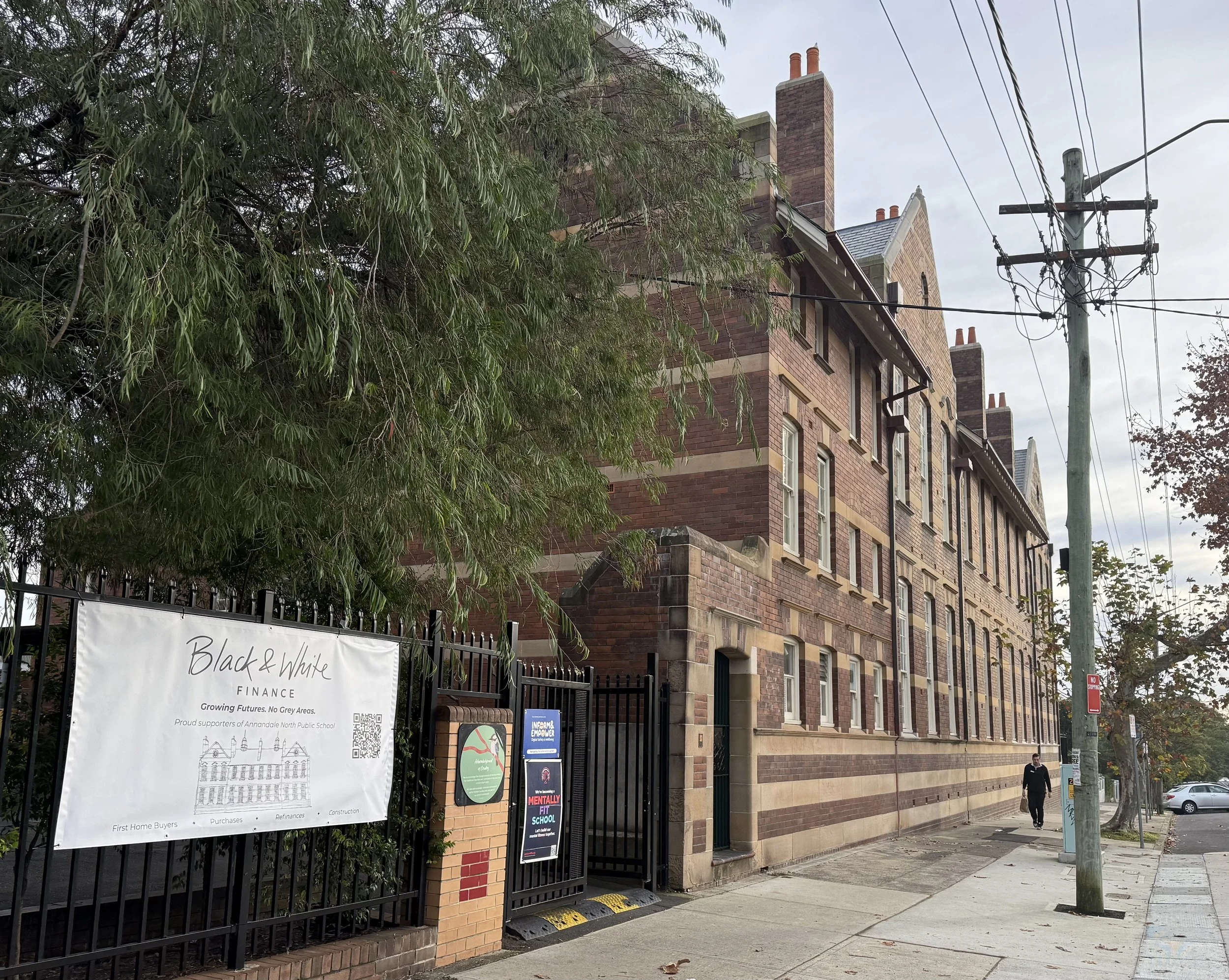
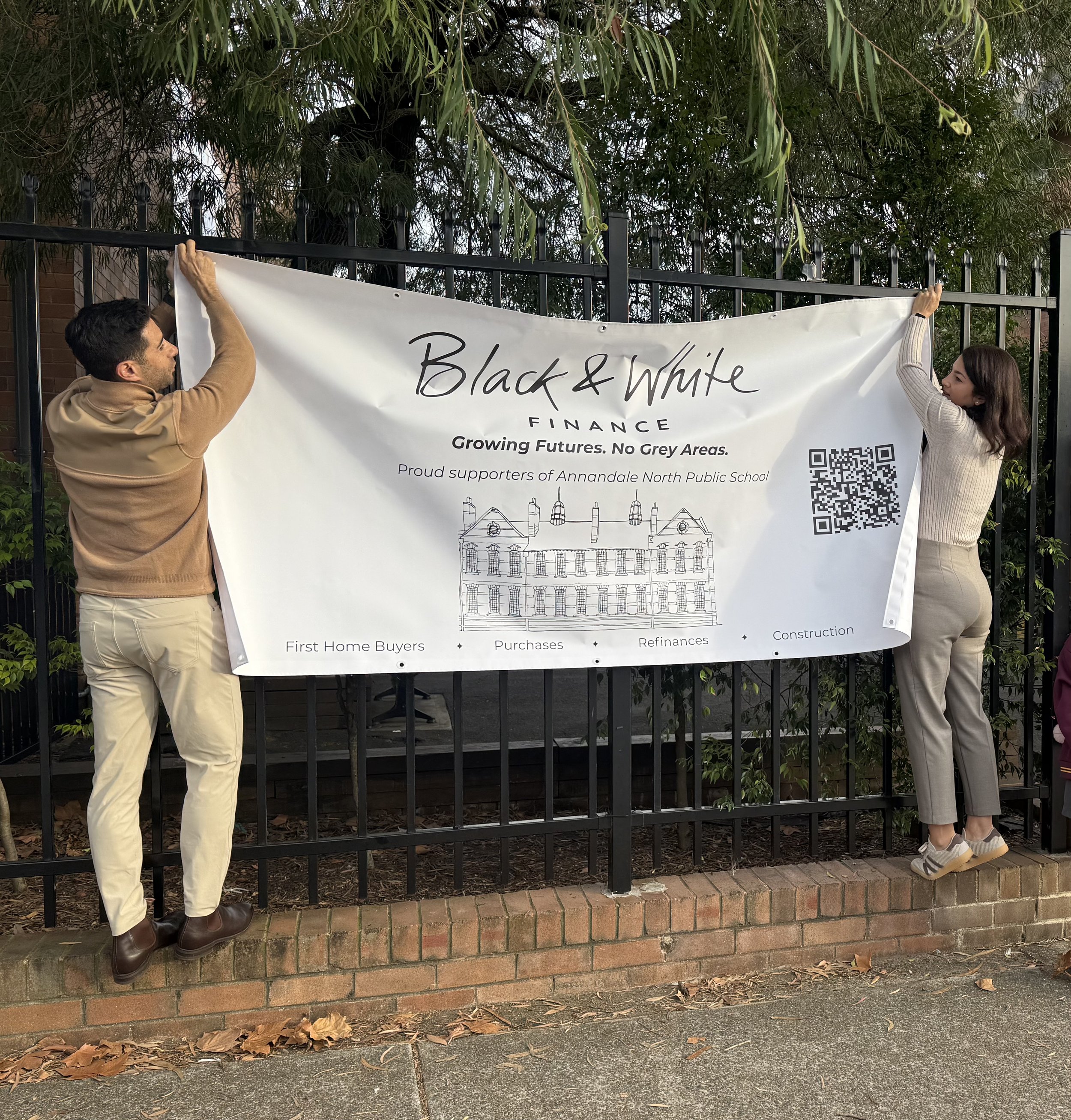
Away from property and finance, the part we're proudest of is the time we get to give back. This month we're delighted to be supporting Annandale North Public School. Looking after the community we live and work in matters to us every bit as much as looking after your loan, and we're grateful to the school for having us.

Final Thoughts
We won't sugar-coat it, this is a complex, low-confidence environment, and prices may soften before they steady. But complexity is exactly when strategy matters most, and a dip is not a disaster. There's no crash on the horizon, the housing shortage isn't going away, rents are likely to rise, and over the long run Australian property has rewarded people who backed the fundamentals when others hesitated.
If you fail to plan, you plan to fail, as my history teacher taught me at Ashfield Boys High School. Whether you want to talk through buying, review your current loan, or simply understand what all this means for you, reach out and we'll make sure your strategy is genuinely in your best interest.